How to Become a Professional Barista
You don't need a degree to work as a barista, and plenty of people walk into their first café job with no training at all. But the people who do well, who get trusted with the morning rush and move up to head barista or trainer, almost always have a solid foundation and a lot of practice behind them. Here's how we'd go about it if we were starting from scratch.
What cafés actually want
When a specialty coffee shop hires, they're looking for someone who can:
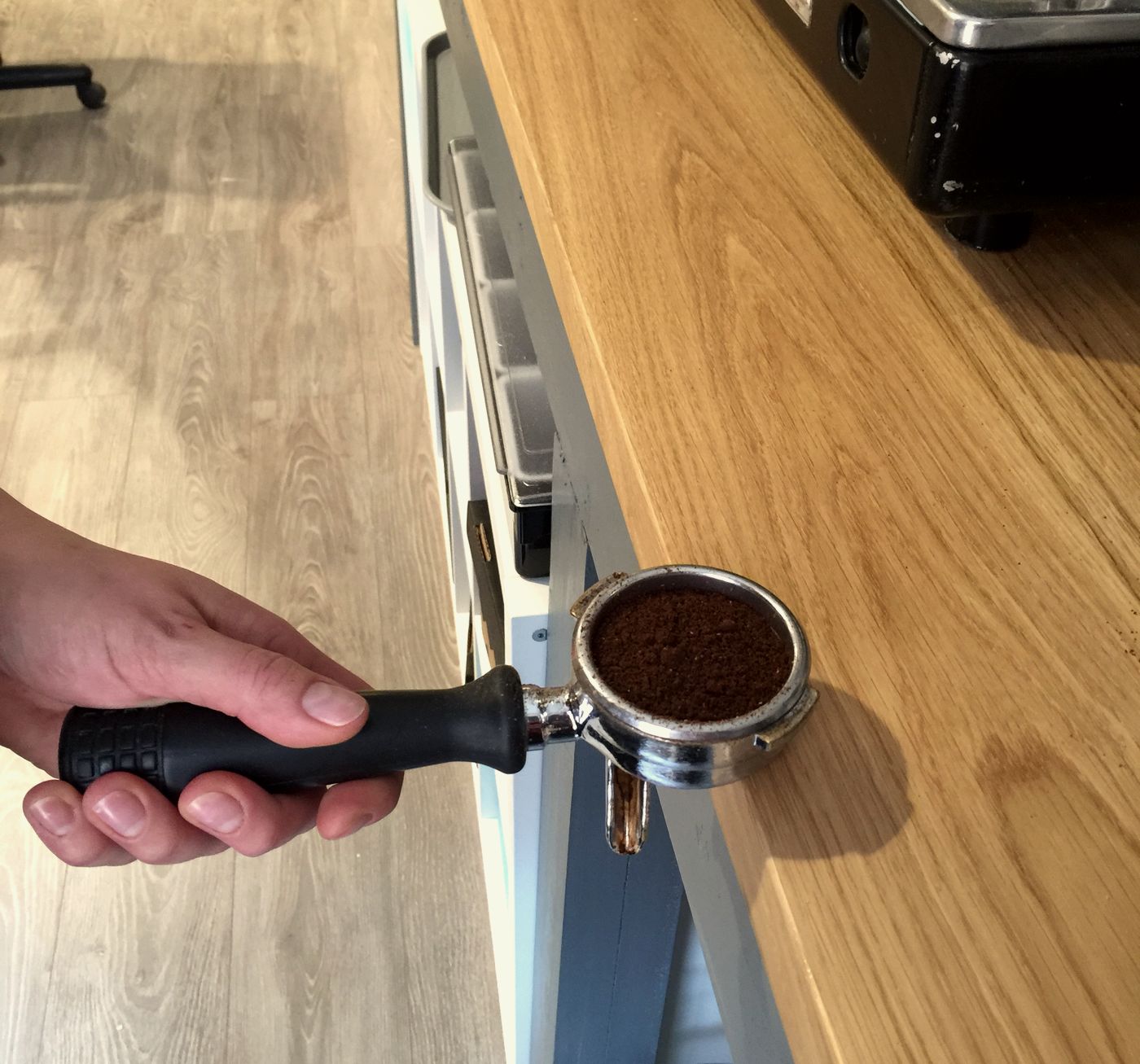
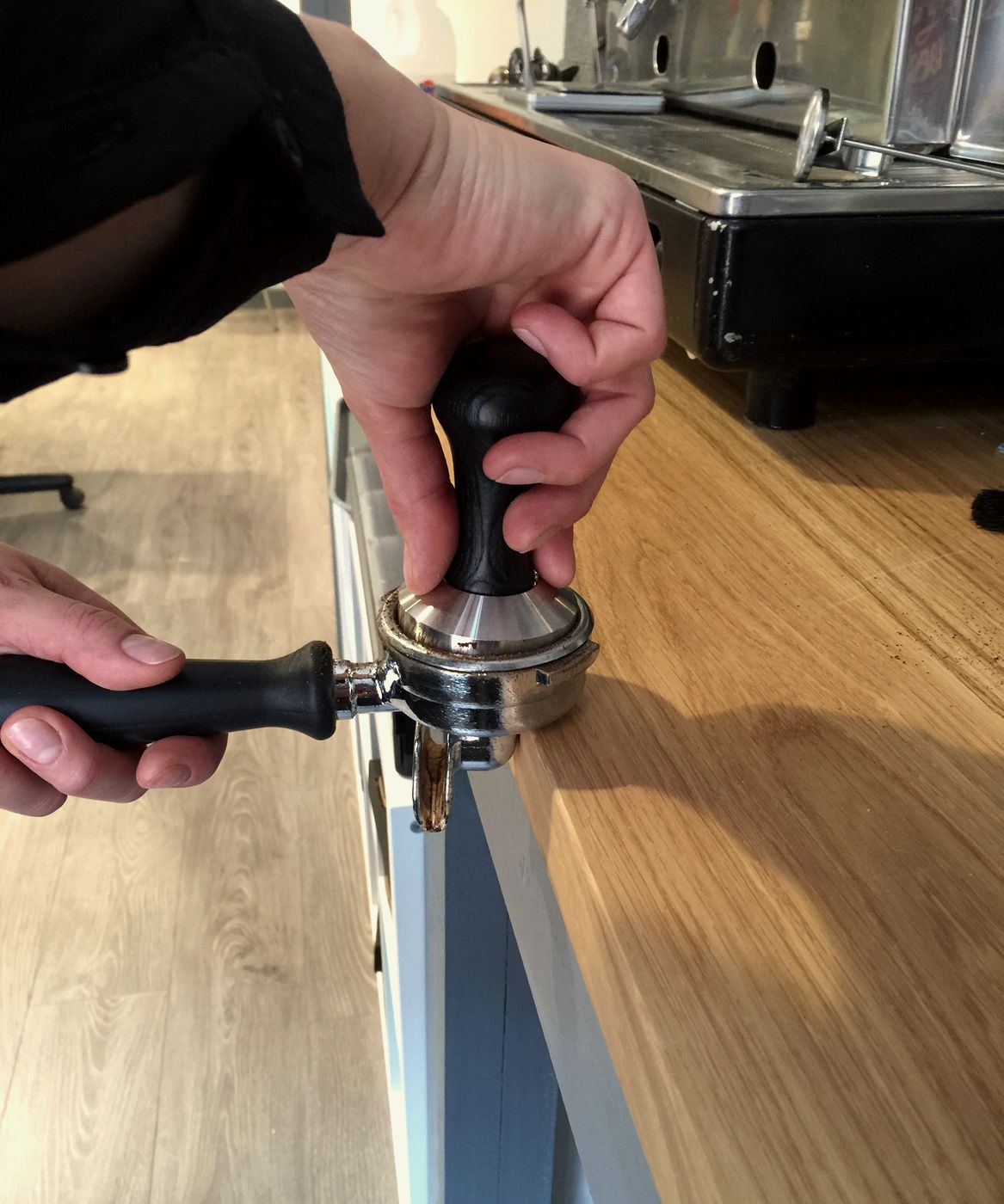
- Make consistent espresso. Not one good shot, but the same good shot all morning, adjusting the grinder as the day goes on.
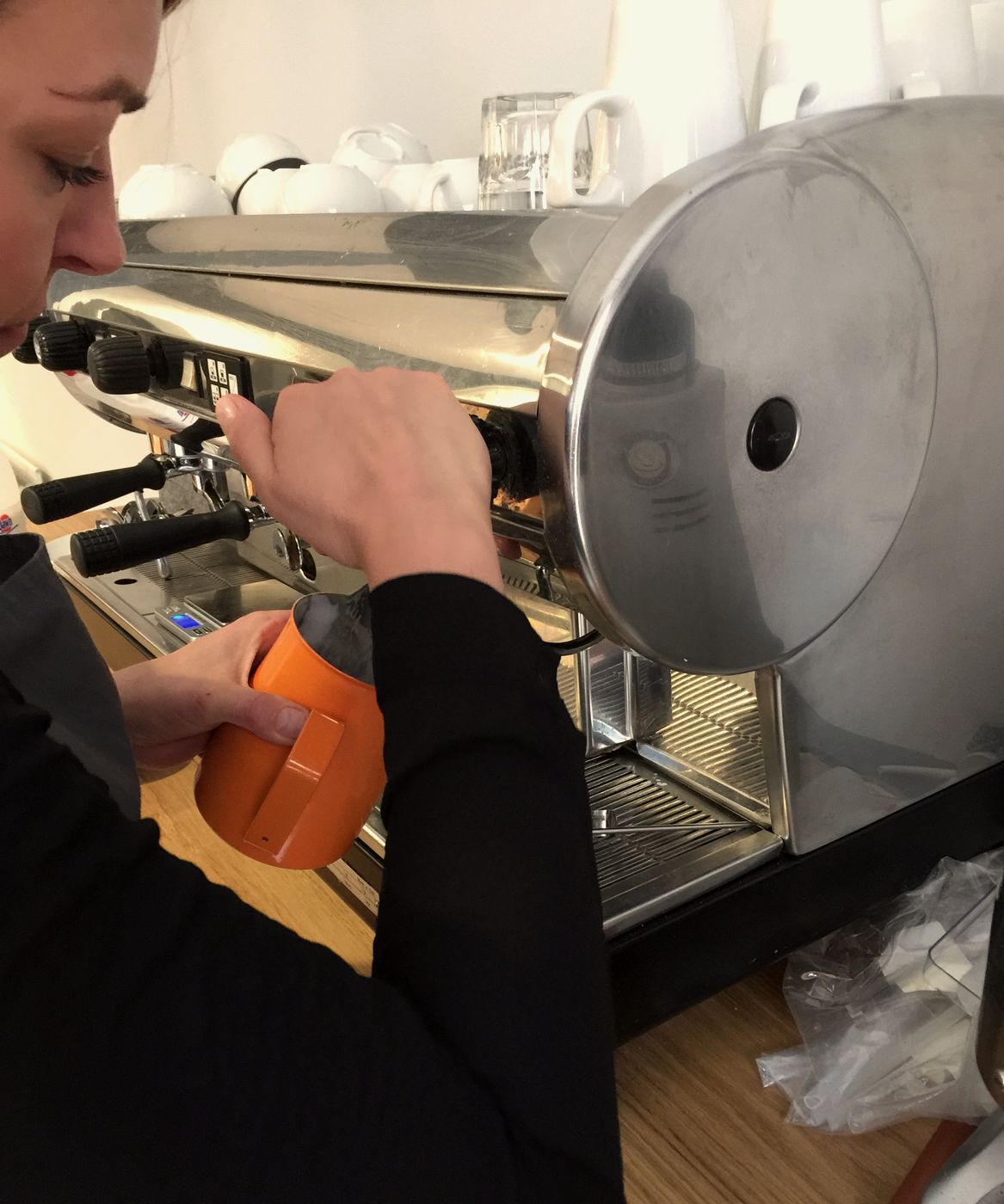
- Steam and pour milk properly. Smooth, glossy milk and a clean heart, rosetta or tulip, on dairy and on plant milks.
- Keep a tidy station. A barista who works cleanly is faster and makes fewer mistakes.
- Work under pressure. A queue at the till and six tickets on the machine is normal.
- Look after customers. Coffee is a hospitality job. Friendly, efficient service matters as much as the drink.
- Follow food safety. Hygiene and HACCP aren't optional in a professional kitchen or bar.
Training can give you all of these. Experience is what makes them automatic.
Step 1: Learn the foundations properly
Self-taught baristas often pick up habits that are hard to break later: guessing doses, tamping unevenly, overheating milk. It's easier to learn it right the first time.
Our Barista Workshop is where most people start. It's one full Saturday in Bandon, €159, in a class of six. You cover how espresso is made, milk chemistry, café menus, and an introduction to station management and customer service, then spend most of the day on commercial machines: set-up, perfecting espresso, steaming milk and latte art. It ends with an assessment and a Barista School Ireland certificate.
If you want extra time on milk before you apply for jobs, the Latte Art Masterclass (€75) is two intensive hours, almost all of it on the machine.
Step 2: Get real hours on a machine
There's no shortcut here. Espresso and milk are physical skills, and you need repetition. Every shot you pull teaches you something, as long as you're paying attention to it.
A few habits that help:
- Keep notes. Write down grind setting, dose, time and how it tasted. Patterns appear quickly.
- Change one thing at a time. If you change grind and dose together, you won't know which one fixed it.
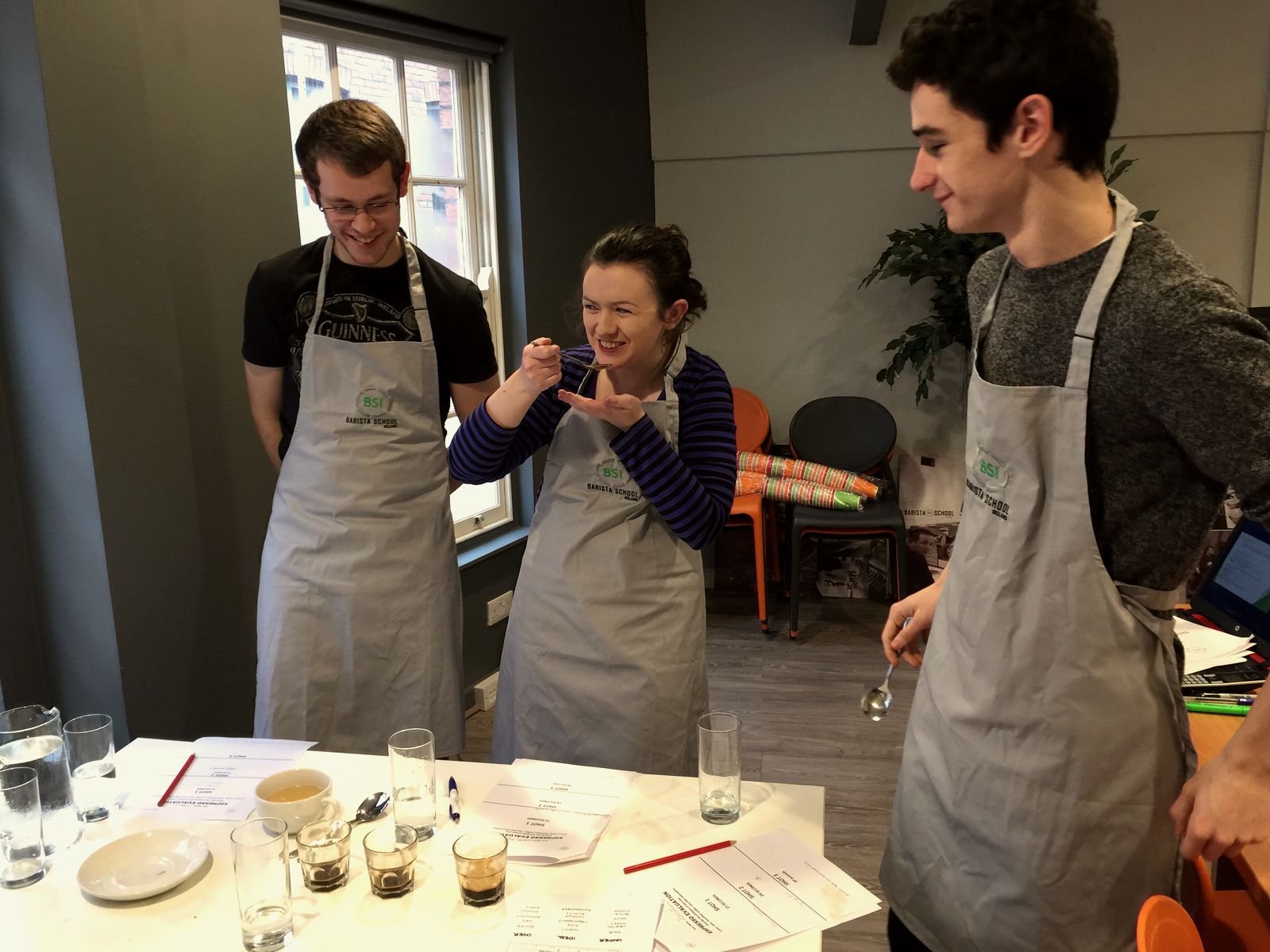
- Taste everything. Learn what under-extraction tastes like (sour, thin) and over-extraction (bitter, harsh), so you know which way to adjust.
- Clean as you go. Purge the steam wand, wipe it, and keep group heads and portafilters clean. It affects taste, and employers notice.
Step 3: Go deeper
Once you've got the basics and some hours behind you, the next level is understanding why coffee tastes the way it does.
Barista Level 2 (€150, one day) is the next step after the workshop. It covers how origin and processing affect flavour, brew ratios, filter coffee, cupping and the flavour wheel, advanced espresso and grinder troubleshooting, and advanced latte art up to the inverse tulip, elephant and peacock. We recommend you've done the Barista Workshop and spent at least 100 hours on an espresso machine before you take it.
Cupping in particular trains your palate. Being able to describe what's in the cup, and spot what's wrong with it, is what separates a confident barista from one following a recipe.
Step 4: Work experience and a qualification
The hardest part of getting a first barista job is often the lack of experience. That's why we built the BSI/QBA (Barista School Ireland / Qualified Barista Award) the way we did.
It's our most complete course, over three days:
- Day 1 (09:30 to 17:00): the Barista Workshop, plus advanced barista station management, customer service with practice, and the barista mindset.
- Day 2 (09:30 to 17:00): Barista Level 2, brewing, advanced latte art, practical and theory assessments, and a CV review with recommendations if you'd like one.
- Day 3 (7+ hours, on a day we agree with you): work experience in a busy specialty coffee shop whose staff have all been trained by Barista School Ireland. You open and close, manage a barista station, use the till, serve customers, make drinks under pressure and put HACCP into practice.
You finish with a BSI/QBA certificate and a HACCP Level 1 certificate. Once you're BSI/QBA qualified, we recommend our graduates to our trade partners when they have barista positions open.
The BSI/QBA costs €395 when you book online (€495 standard).
Can a grant cover it?
If you're on a jobseeker's payment, the Department of Social Protection's Training Support Grant can cover the 3-day BSI/QBA. You talk to your local Intreo office or Case Officer, ask for a Training Support Grant form, sign it and post it to us, and we do the rest. Our training grants page has the details and the list of eligible payments. Schemes can change, so always confirm with your Case Officer.
Step 5: Keep learning on the job
Your first café job is where the real learning happens. Watch the best barista on the team. Ask why they've changed the grind. Taste the coffee at the start of every shift. Try different beans and notice how they change on the machine.
There's also more to coffee than working the bar. Competitions, training others and managing a team are all routes people take once they've got the foundations and the hours.
Where to start
If you're starting from zero, book the Barista Workshop. If you're ready to aim for a job, look at the BSI/QBA. Every course comes with four weeks of email support afterwards, so you're not on your own once the day is done.
You can see dates and book online, or call us on 021 424 8717 if you'd like help choosing.